Sony has finally updated its cult full-frame compact. The Sony RX1R III arrives with a 61-megapixel sensor, a fixed 35mm f/2 Zeiss lens and an even smaller body than before, positioning itself as the ultimate high-resolution everyday carry camera (if you’re willing to pay for it).
In this Sony RX1R III review, photographer Connor Redmond takes the camera to Margate for a real-world test, shooting seaside scenes and low-light interiors to see whether this tiny full-frame compact lives up to expectations. He’ll look at image quality, handling and ergonomics, autofocus performance, the controversial lack of in-body image stabilisation and whether that price is worth paying.
Be warned, Sony Ponies, this review comes with a healthy dose of realism. A few surprising features are missing. It’s a lovely camera, just not one that will make sense for most people or its target audience.
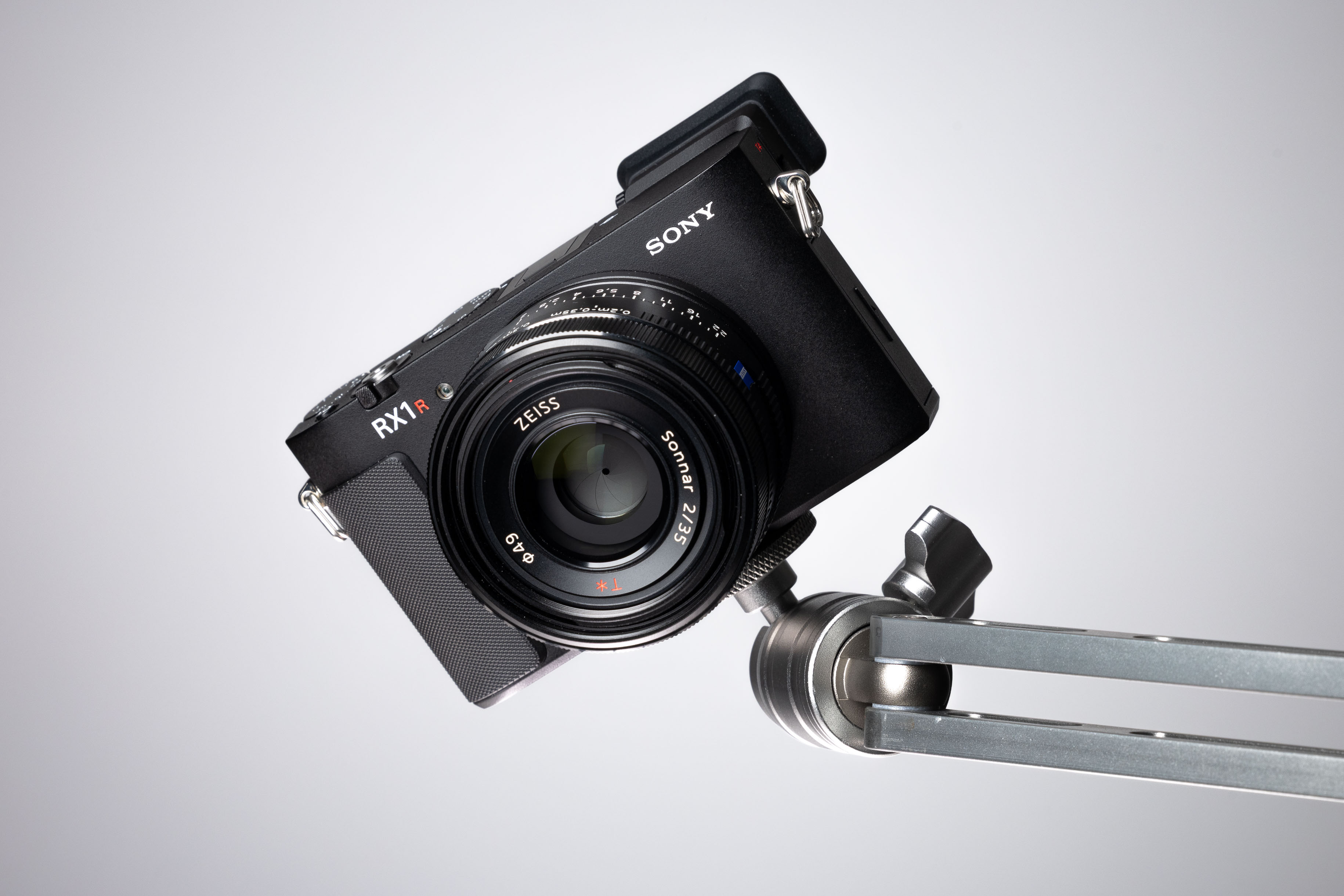
Sony released the RX1R III in 2025, and for fans of the RX1 line, it’s been a long time coming. The RX1R II launched in 2015, meaning that, as of 2025, over a decade had passed without an update. That’s an unusually long gap in camera years, and it naturally raised expectations that the RX1R III would be something special.

Connor Redmond | Sony RX1R III | 35mm | f/22 | 1.6 sec | ISO 50
Sony RX1R III Specs
|
|
|
|---|---|
|
Sensor |
Full frame |
|
Back-illuminated |
Yes |
|
Megapixels |
61 |
|
Processor |
Bionz XR |
|
Lens |
35mm f/2 |
|
Autofocus |
Phase/contrast, subject |
|
Autofocus pts |
693 |
|
Shutter, mech |
1/4000 |
|
Shutter, elec |
1/8000 |
|
Viewfinder |
Electronic |
|
Display |
3-inch, fixed |
|
Max video |
4K 30p |
|
Bitrate |
10-bit 4:2:2 |
|
Storage |
SD |
|
Battery |
NP-FW50 |
|
Battery, shots |
Approx 270–300 |
|
Weight |
Approx 500g |
|
Released |
2025 |
Pros
-
Full-frame image quality in a compact body
-
Smallest full-frame camera on the market
-
Excellent RAW flexibility and in-camera cropping
-
Class-leading AI-powered autofocus
-
USB-C PD charging and updated connectivity
Cons
-
Expensive for a fixed-lens compact camera
-
No in-body image stabilisation (IBIS)
-
No tilting screen
-
Battery life is not amazing
-
Single SD card slot and large file sizes
-
Video features feel limited compared to Sony’s other cameras
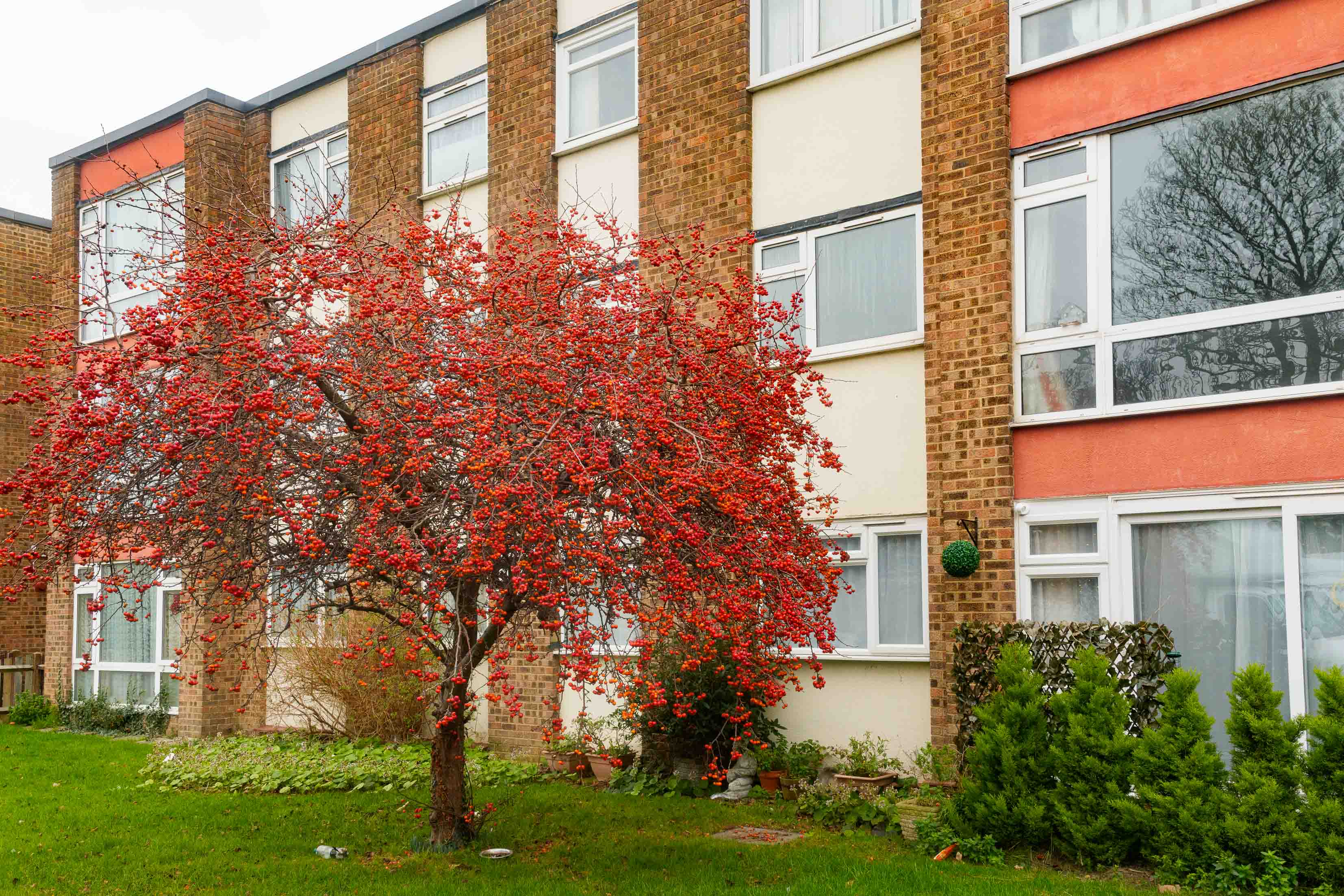
Connor Redmond | Sony RX1R III | 35mm | f/8.0 | 1/125 sec | ISO 500
Handling and Design
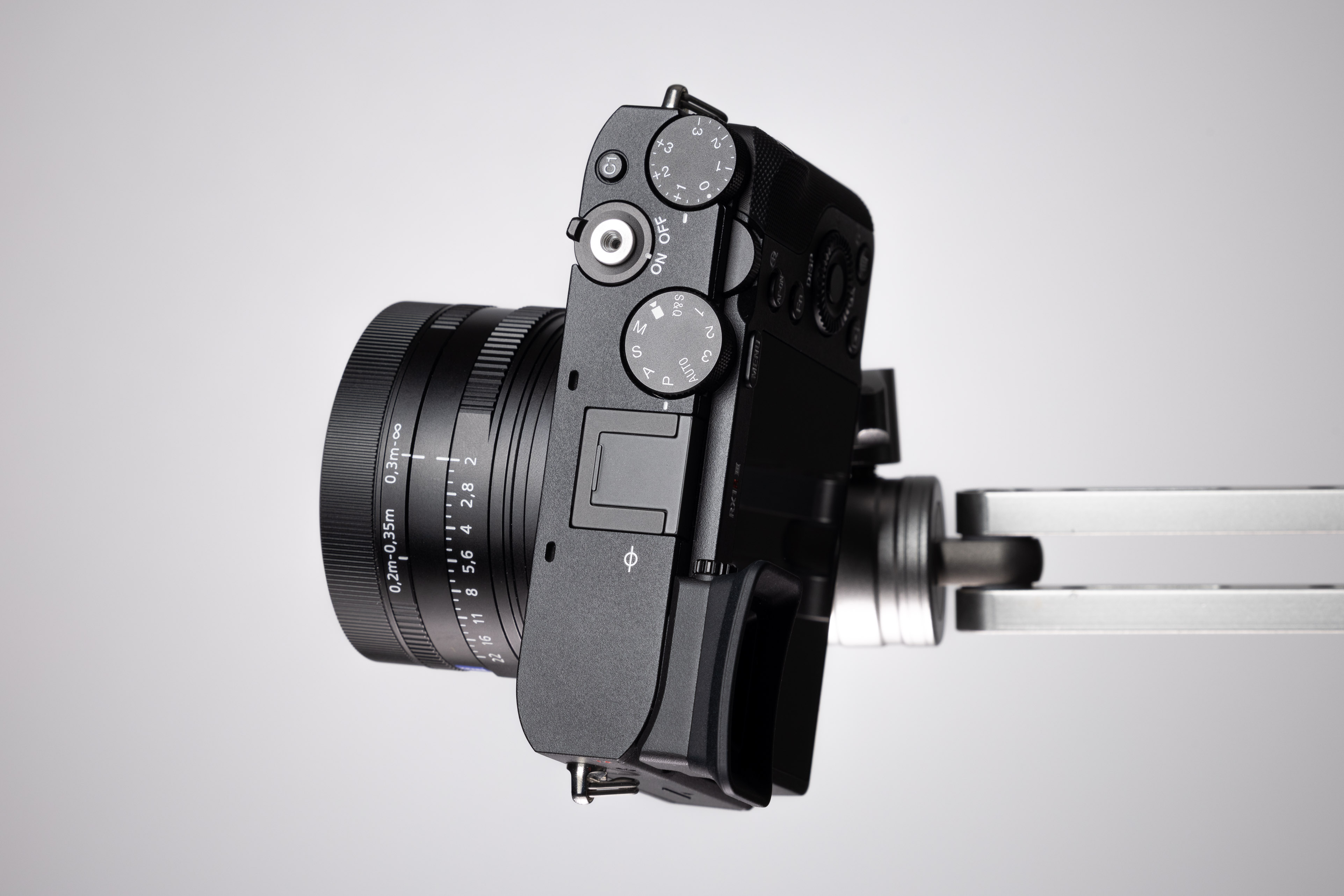
You may already be aware, but the RX1R III is small. Genuinely diminutive. It keeps itself flat, minimal and sparse, echoing a distinctly ‘Leica-like’ design philosophy. The viewfinder and lens stick out from the body. Otherwise, it’s a sturdy, rectangular magnesium alloy body.
Used Sony RX1R III
The first thing you notice when you pick up the RX1R III is how nimble it feels, while having enough heft to avoid feeling like a toy. It has that particular Sony ‘premium’ feel to its build quality that we know and love, although sadly, there is no weather sealing here. It doesn’t quite match the luxury experience of the Leica Q series, though. I would say it sits a step below in terms of overall solidity. Overall, the build quality is much improved compared to its predecessors, the Sony RX1R and Sony RX1R Mark II.
Used Sony RX1R III
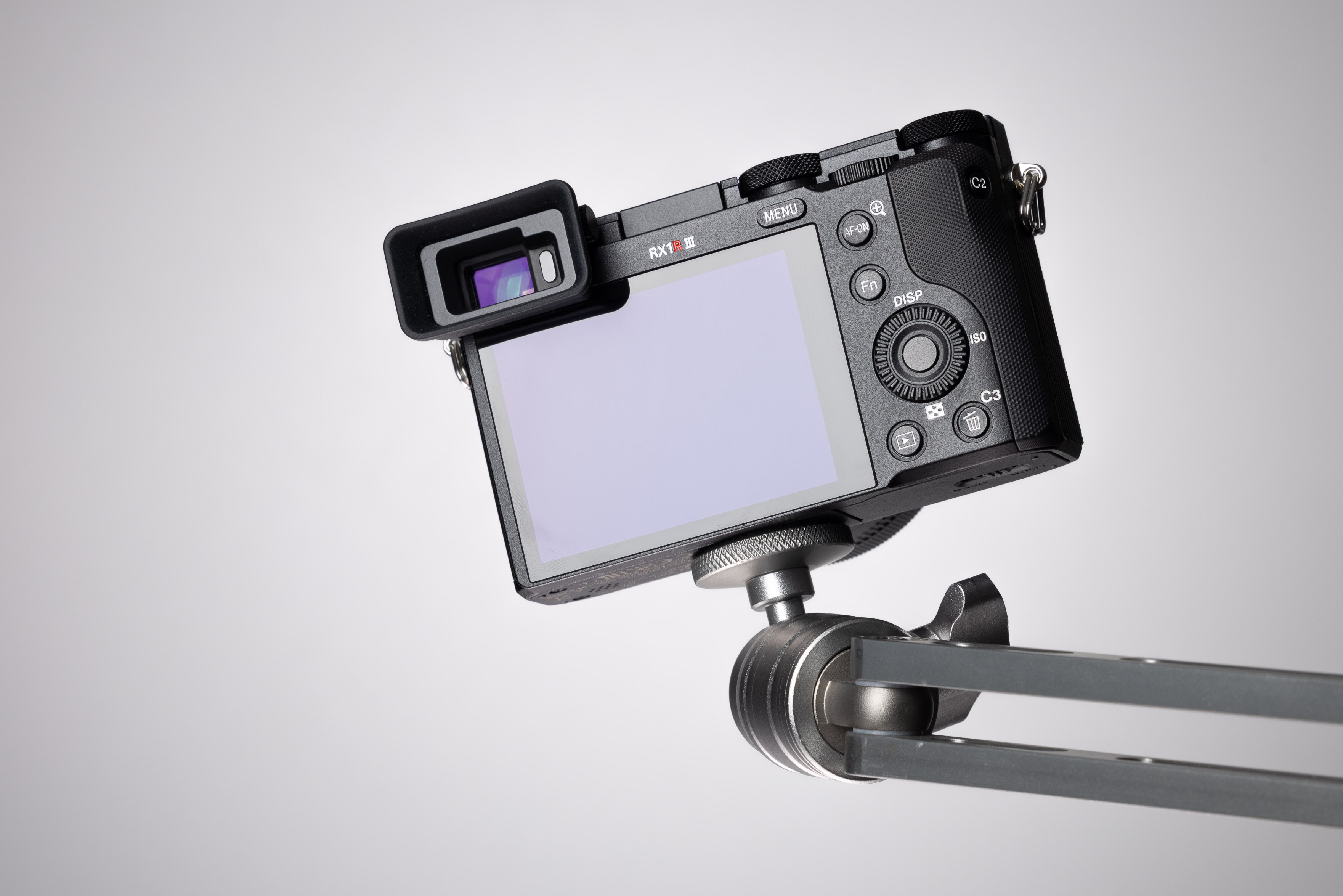
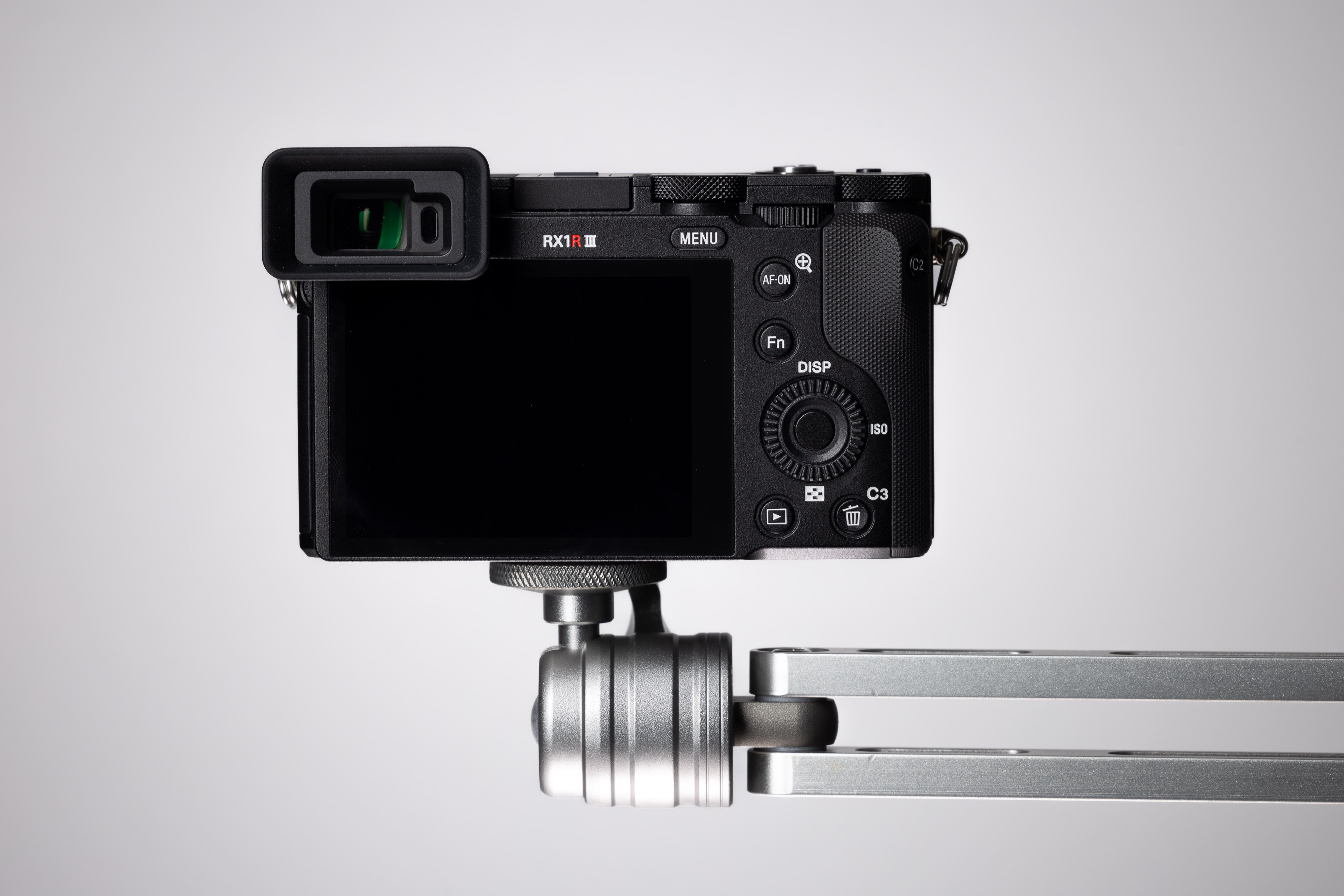
What are the pitfalls? Well, the number one offender for me is the lack of a tilting screen. I know this mechanism would have added extra bulk, but the point of a tiny, compact camera is to be able to one-handedly operate it at weird and interesting angles you wouldn’t be able to with a bigger camera. Or to get low-angle shots or use it at hip level for street-style shooting. The previous model, the RX1R II, managed a tilting screen, so it’s disappointing not to see one here.
If you’re after something to shoot street photography with, we’ve got some best cameras for street photography recommendations for you.
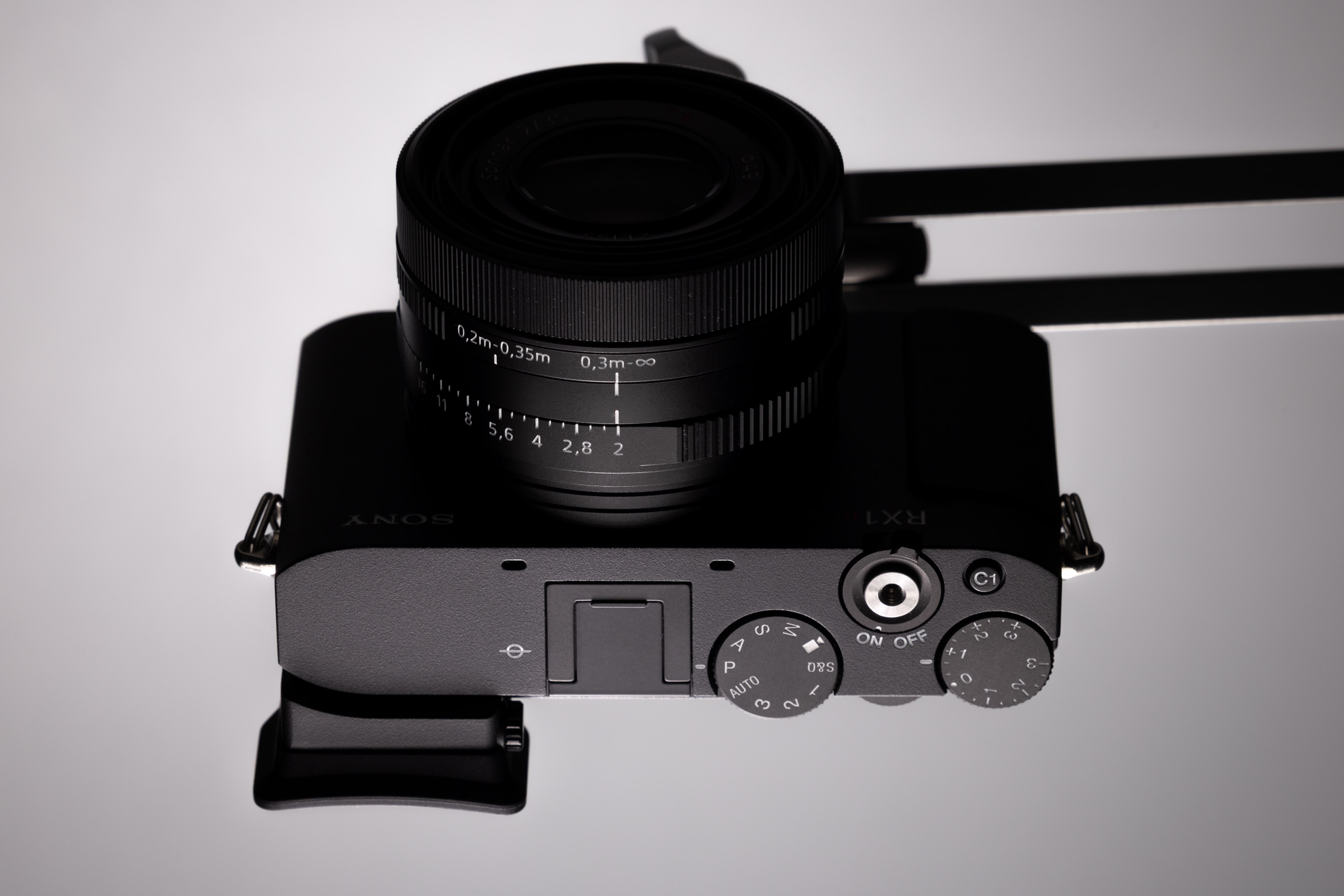
Another disappointment is the lacklustre viewfinder experience. It doesn't deliver a premium user experience by any means; it feels more like a mid-range option, and I don’t love how the viewfinder protrudes, either. I much prefer the pop-up viewfinder of the RX1R II. What was wrong with that design? I can’t help but feel that this is another consequence of chasing the “tiny size” trophy.
Used Sony RX1R III
It has taken Sony 10 years to produce a new camera in this series, but do we get 10 years' worth of camera tech innovation? Not really. If anything, the most notable innovation here is the amount they have been able to slim down the camera. That refinement, however, has clearly come at the expense of other features.
Used Sony RX1R III
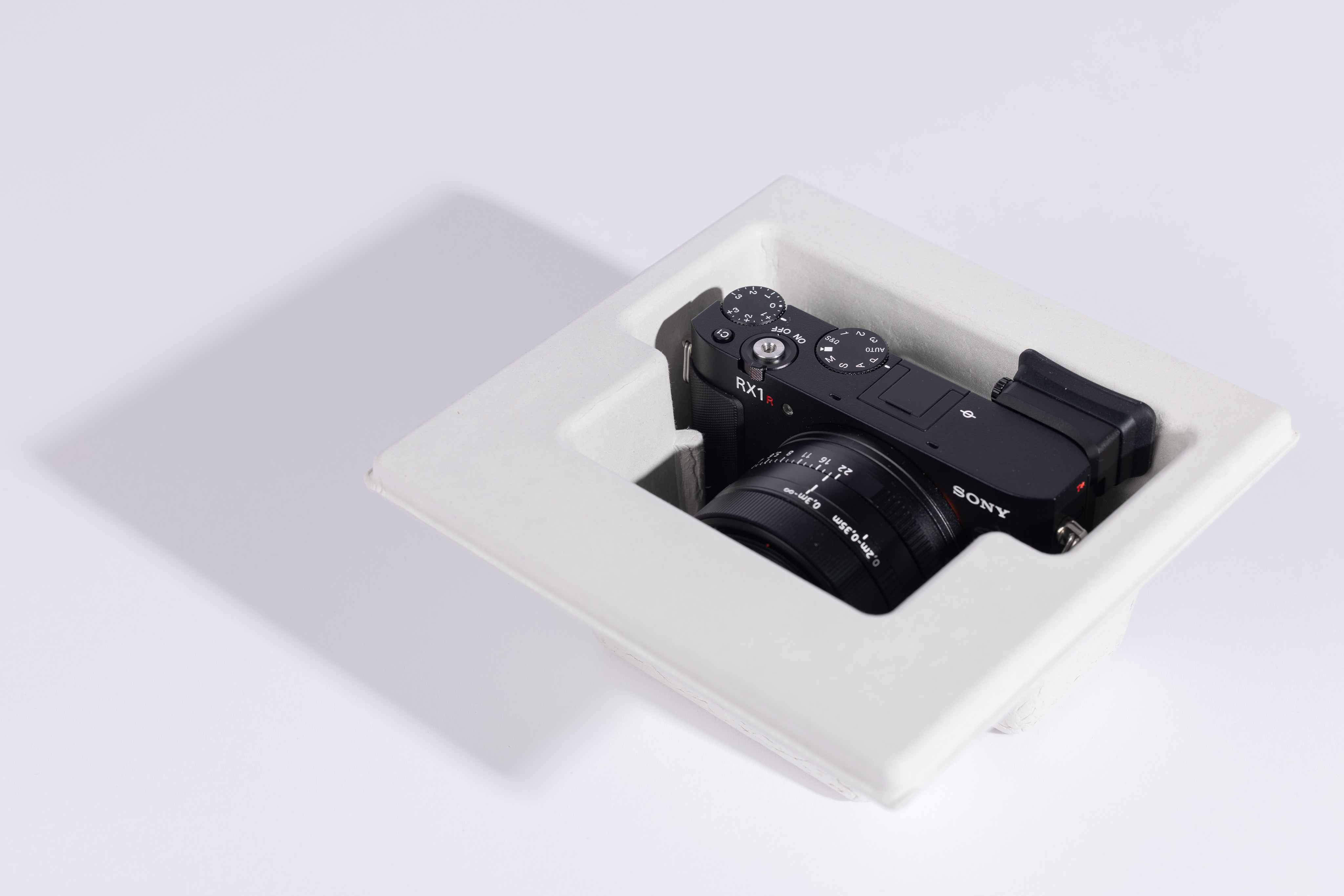
There were points where I felt the camera slipping from my hands, or like I was enveloping the thing, then having to revert to a claw-like grip, like a crab trying to operate a camera. I did test it extensively on Margate beach, so perhaps that tracks. Maybe I briefly transformed into my true crab-like self. In all seriousness, though, one-handed operation didn’t feel particularly well-balanced. The lens is fairly heavy compared to the body, which throws things slightly off.
I’m not that fussed about the small size, and at times it actually detracts from the handling.
Used Sony RX1R III
Battery Life and Connectivity
I found the battery lasted about a day of shooting and roughly 450 uncompressed RAWs, which is better than I expected from the NP-FW50.
Anybody shooting heavily will want a spare battery, though. The shared battery and SD card compartment under the grip can be frustrating, especially when the camera is mounted on a tripod. USB-C charging is also a godsend here. I’m glad to see that all new camera releases have finally moved to this standard.
We also have Wi-Fi and Bluetooth, working with Sony’s Imaging Edge Mobile or Creators’ App for remote shooting and image transfer. Other features include micro HDMI and a multi-interface shoe mount for other accessories.