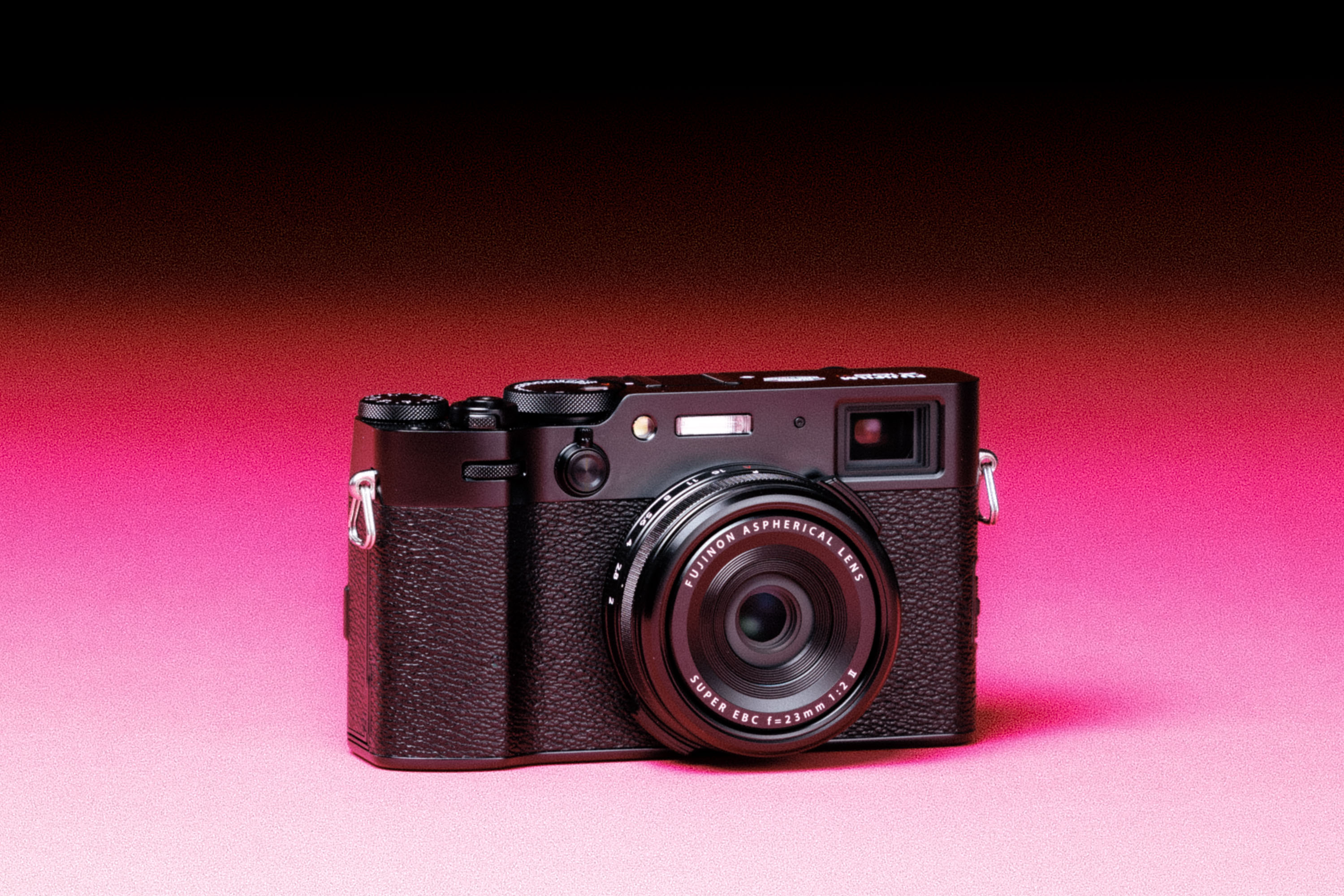
In this guide, we’re looking at digital cameras that recreate that film-like experience. That can mean physical dials and tactile controls, designs that are inspired by classic film cameras, or image profiles and edits that mimic the look of film. Some cameras focus on one of these elements, while others bring all three together.
Some photographers still shoot film in 2026 because it slows the process down and makes photography feel more intentional. You think more about each frame and stay present in the moment, rather than constantly reviewing images. Of course, film has its downsides. It’s expensive, harder to get hold of and you have to wait to see your results. If you want an experience as close to film as possible while still using digital, there are cameras that can deliver it.
MPB’s Jakub Golis shares his top picks for digital cameras that look like film, based on over 20 years of experience with digital and film. He covers everything from compact cameras to mirrorless models, along with a few crossover options, so there’s something here to suit how you like to shoot. He and our team filmed the video around Brighton and Hove, and Jakub has since updated his recommendations for 2026, reflecting on recent releases and how these cameras are being used today.
https://youtu.be/N-mtFowT-zM?rel=0
Additional photography and insight by Amy Moore, Connor Redmond, Justin Patricolo and Ian Howorth.
What makes a digital camera feel like film?
A digital camera can look like a film camera without feeling like one to use, which works for some people. For me, “Jakub the film enthusiast”, “film-like” is about how a camera handles, how the images look and what the camera is like to shoot with day to day. Physical dials, optical viewfinders and simple controls can make a camera feel like a traditional film body.
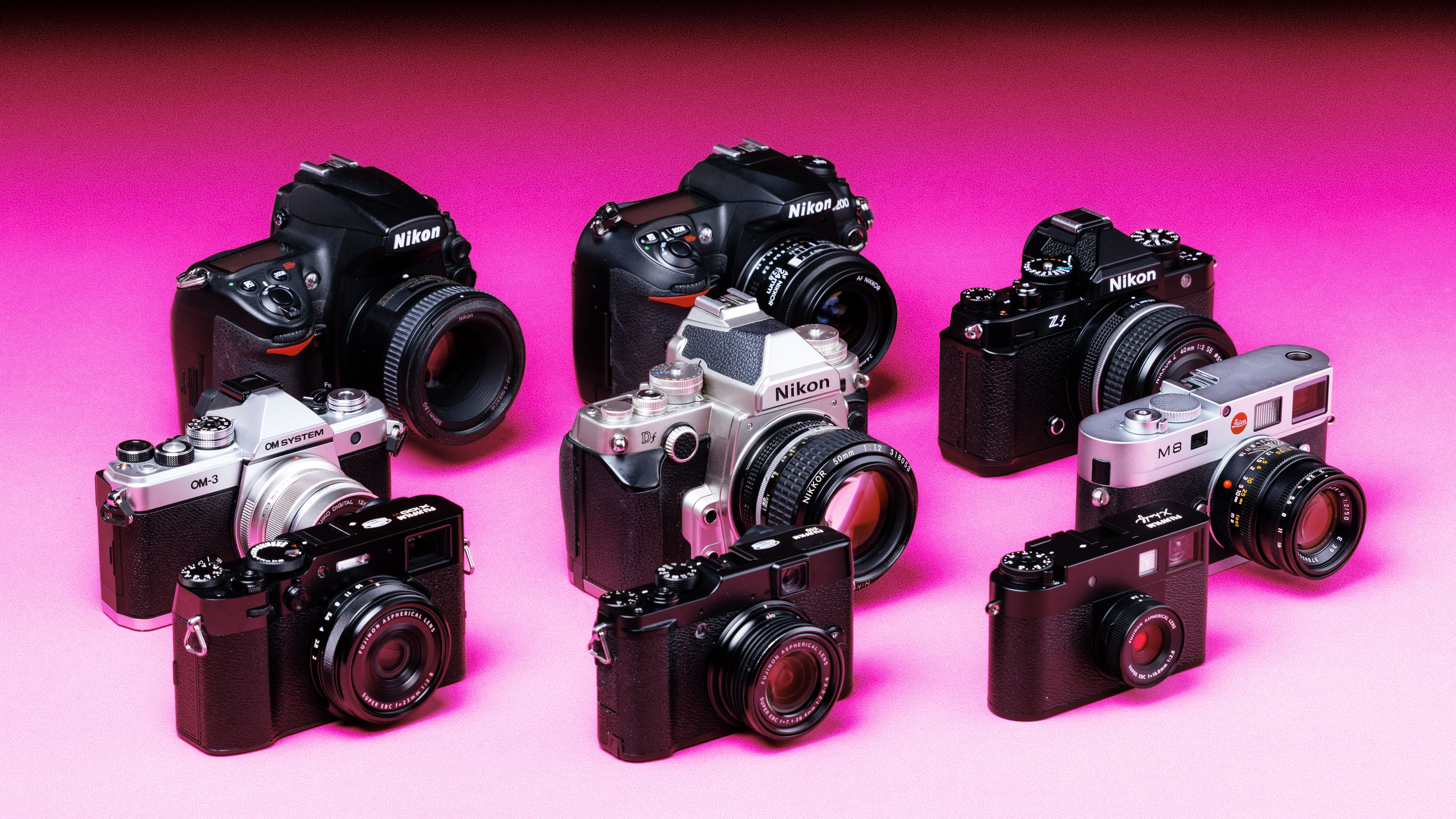
A range of used digital cameras. From L-R: Fujifilm X100V, OM System OM-3, Fujifilm X10, Nikon D700, Fujifilm X Half, Nikon Df, Leica M8, Nikon D200, Nikon Zf
On the image side, film simulations, grain and softer rendering can help you master that unmistakable film look. A similar aesthetic is part of the wider revival of early digital photography, too, which we explore in our Y2K photography guide.
The way a camera limits you will also shape how you shoot, and this is what makes certain digital cameras feel closer to film than others. Fixed lenses and fewer automated features mean fewer distractions, so you spend more time focusing on the scene in front of you. I’ll walk you through some of those that I keep coming back to.
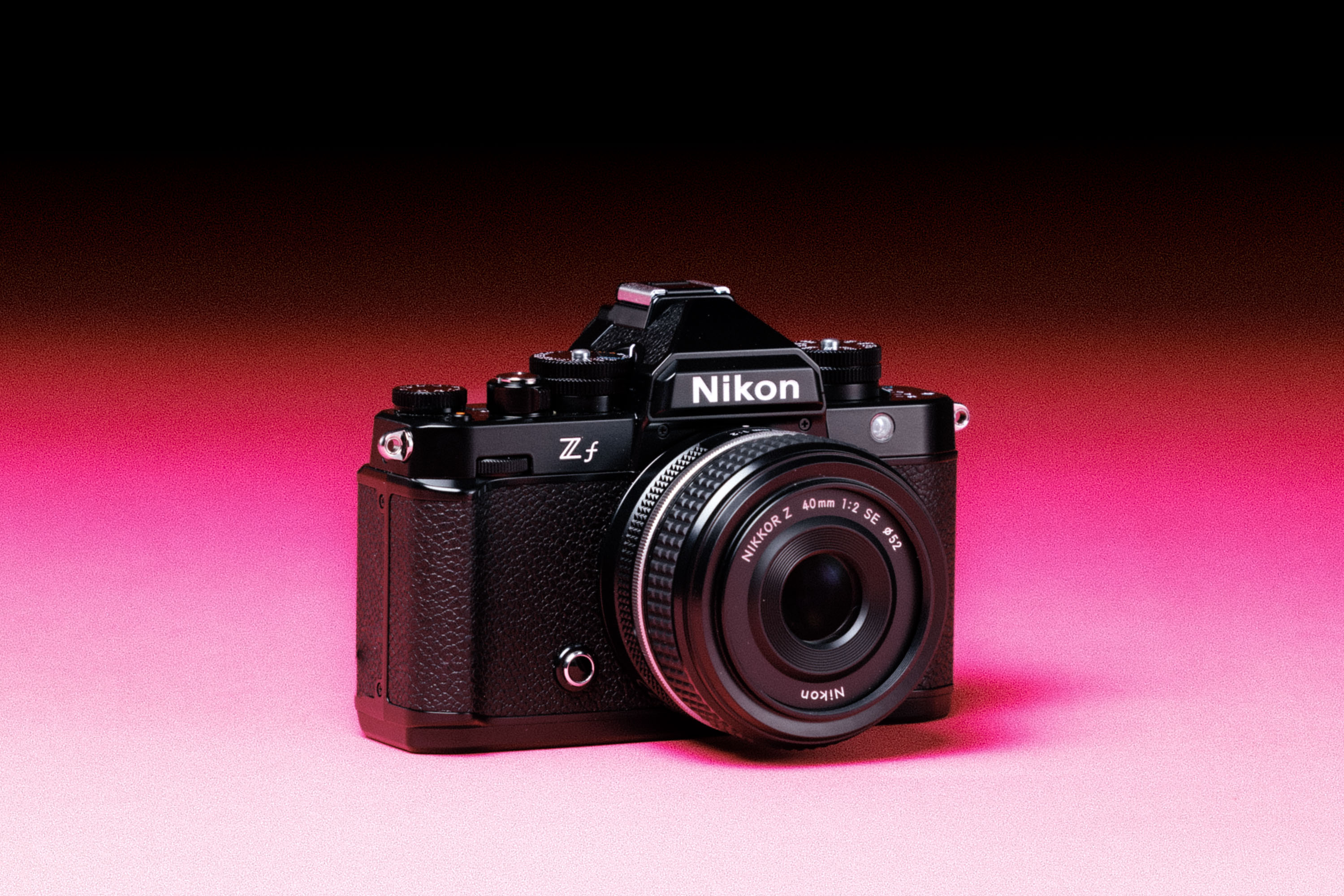
Used Nikon Zf
Nikon Zf: Overall best digital film camera
Typical used price: £1,200
The Nikon Zf is the best overall option if you want a digital camera that feels like film without giving up “modern” shooting techniques. It takes clear inspiration from Nikon’s classic film SLRs, with physical dials, a really satisfying body feel and a retro design I’m really fond of. Underneath that, you’ve got a reliable full-frame sensor and autofocus, so it’s easy to use day to day.
https://youtu.be/S98g2iPuYPI?rel=0
Specs
-
24.5-megapixel full-frame sensor
-
Nikon Z lens mount allows for adapting vintage lenses
-
Electronic viewfinder
-
5-axis sensor-shift stabilisation (8 stops)
-
4K UHD/60p video capture
Pros
-
Feels like a film camera to shoot with (dials, layout, pace)
-
In-camera film grain and strong JPEG flexibility
-
Works well with both modern and vintage lenses
-
Solid, well-built body
Cons
-
Default JPEGs need a bit of tweaking
-
Grip isn’t great with larger lenses
-
Video features feel out of place for some users
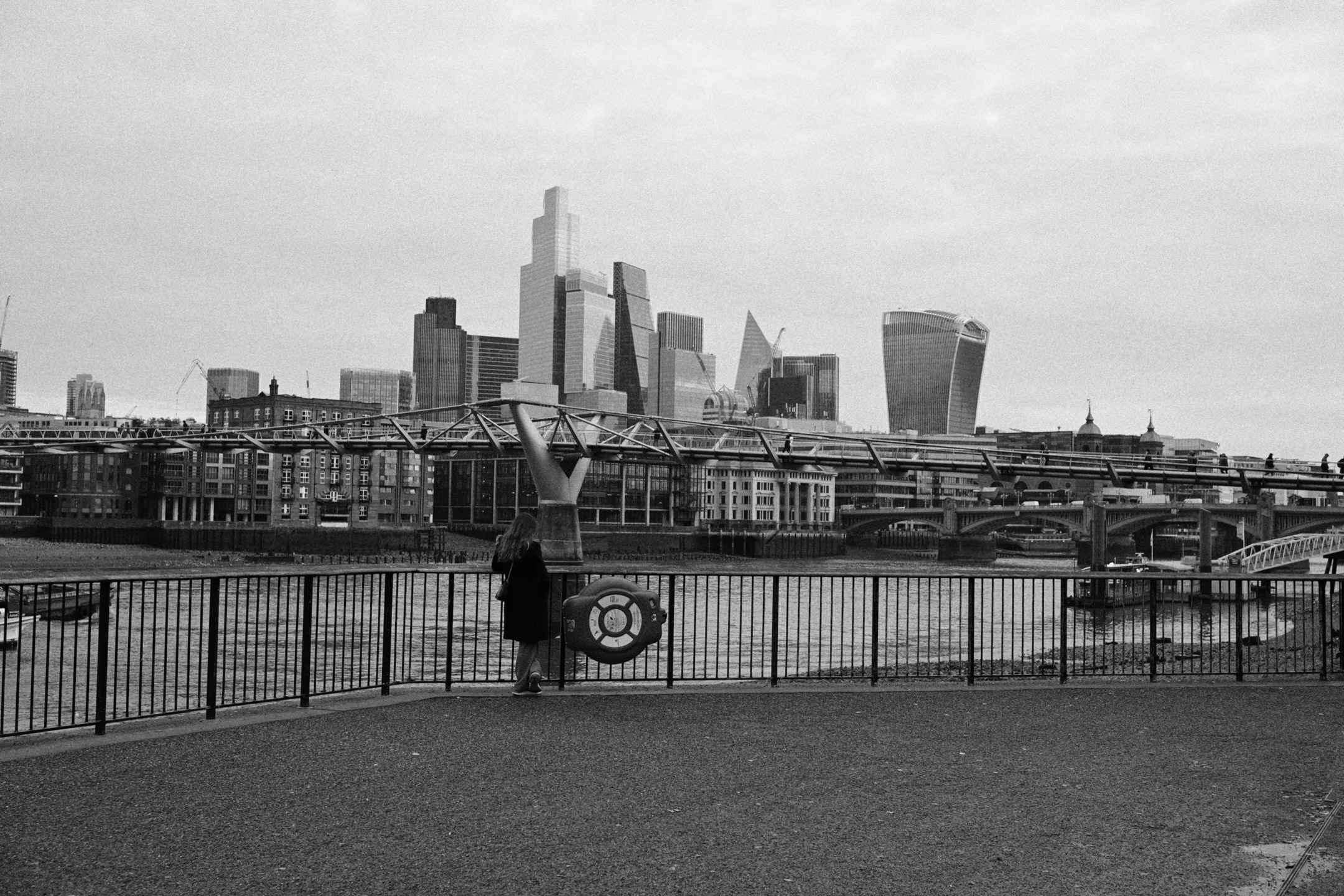
Nikon Zf | Nikon Z 40mm f/2 | 40mm | 1/100 | f/5.6 | ISO 100
Its in-camera Film Grain feature, added in firmware version 3.00, lets you add a more organic, film-like texture to your images and video, with control over both the strength and size of the grain. Cool, right? It also saves you a bit of editing faff.
Left: Grain off | Right: Grain on (size: large, strength: 4 out of 6)
You’re not limited in how you use the Zf. You can use modern Z-mount lenses with it or adapt older vintage lenses like the Nikon Ai-S Nikkor 50mm f/1.2 if you want to get a bit dreamy and experimental. There’s a unique feature for that, too. If you use a manual focus lens and turn the focus ring, the focus frame will turn green when you’re actually in focus, which is really handy.
The balance between feel and performance is good, and it’s easily one of the more future-proof options here if you want a camera you won't outgrow (that magnesium body with weather-sealing makes it robust).